This post is part of a series on legal advocacy involving marriage equality in India. Read other posts in the series.
Who Are The Applicants?
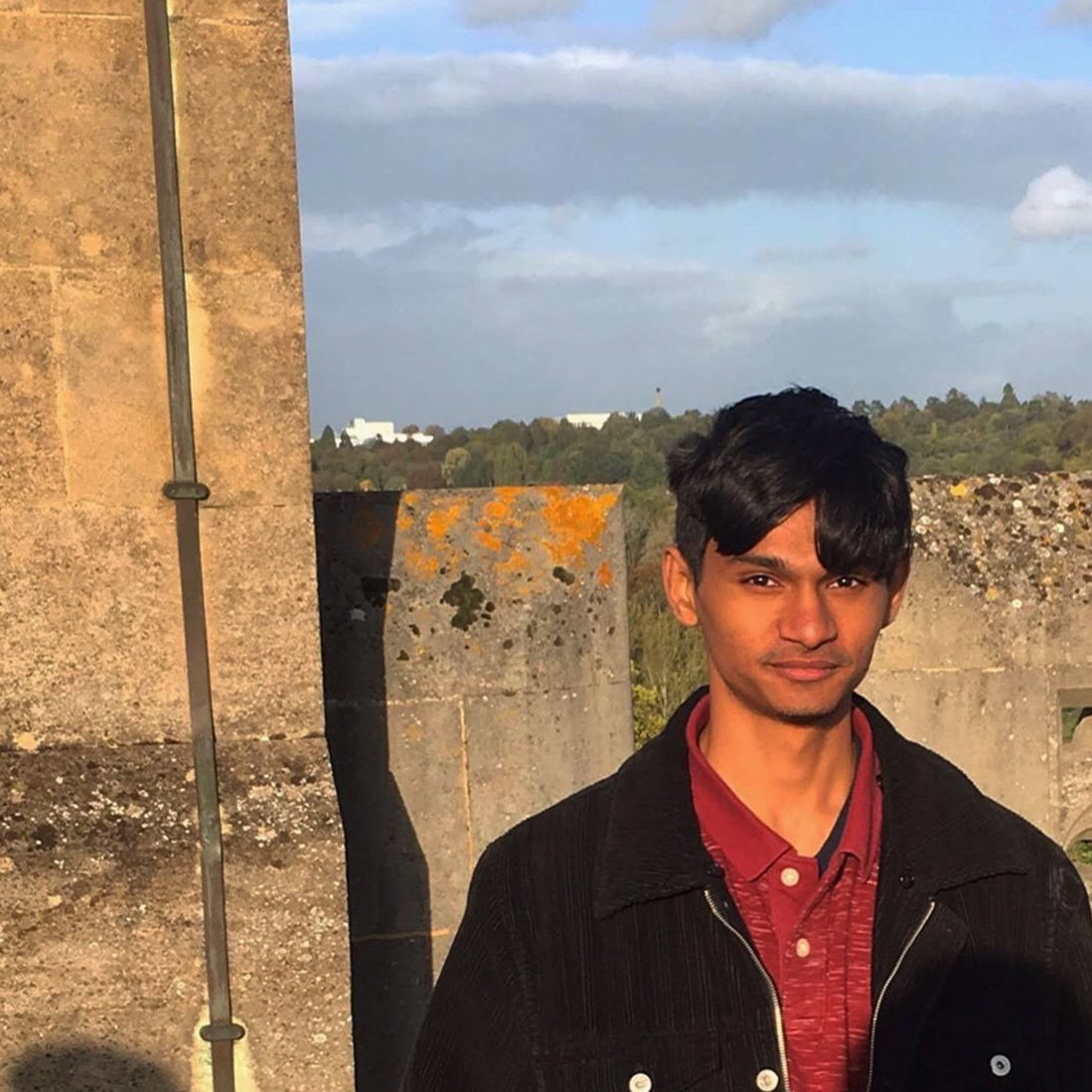
The first applicant is Abhishek Godi. He is a software engineer who has done LGBT diversity and inclusion work in various organisations. He was also a petitioner in one of the section 377 challenges (Twitter). The 2 other applicants are a gay couple who have been together for 17 years and intend to marry if the petitions succeed. One of them is a doctor who has worked on sensitisation of medical practitioners and students and started community groups for gay men. The other is a management consultant.
What Are They Asking For?
The applicants are asking the Delhi High Court to livestream the final arguments in the marriage equality case via YouTube or another platform.
What Do They Argue?
The applicants argue that livestreaming the case is supported by the principle of open justice, following the initiative of other courts and because of the interest in the case and logistical reasons.
Open Justice. In Swapnil Tripathi v Union of India, the Supreme Court held that livestreaming of proceedings would ensure the principle of open justice to ensure object and fair administration of justice. The current proceedings, according to the application, are of national importance which the Tripathi judgment covered. A livestream would improve awareness of the law. Further, under the Draft Rules for Livestreaming issued by the Supreme Court e-Committee, this case would be livestreamed.
Other Courts. In 2021, the Gujarat, Orissa and Karnataka High Courts has begun livestreaming and issued rules for the same. Across the world, the UK, Australia, Brazil, China, South Africa and the United States (by audio) courts livestream their proceedings.
Interest in the Case and Logistical Reasons. The applicants argue that there is a large section of about 7-8% of people who are interested in the case from across the country. Livestreaming will reach a large number of people and has the largest audience, according to the application. The Delhi High Court Video Conferencing Rules state that the Court will endeavour to provide as many links as possible. However, because of the high demand, a livestream would be more stable in the applicants’ view and the existing infrastructure can support it.
What Is The Application’s Journey In Court?
Filed: November 2021. (CM APPL. 42707/2021)
Notice Issued: 30 November 2021.
Lawyers: Represented by Sr. Adv. Neeraj Kishan Kaul in Court. Documents filed by Shyam D. Nandan and Siddhart.
The Hearings. On 30 November 2021, the Delhi High Court issued notice to the Union of India for a response to the application.
On 31 March 2022, the applicants pointed out that no reply has been filed. They and petitioners in the main case pointed out that final hearings would be delayed until this issue was decided. The Court asked the Union to file a reply to the petition within 2 weeks.
The application is on file.

 Mihir Rajamane
Leave a comment